Event Headshot Stations for Miami Conferences and Corporate Events
A staffed studio on your event floor. Attendees walk up, get real direction from a portrait photographer, and have a finished headshot in their inbox before they're back in the room.
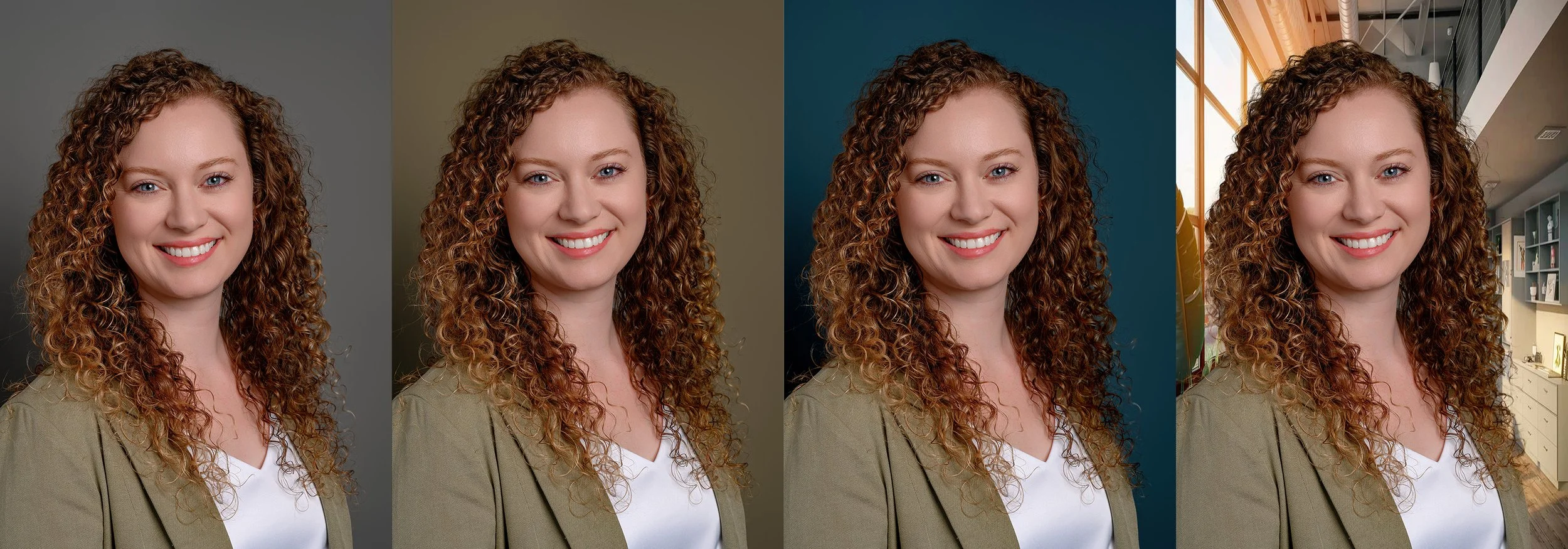
A headshot station is one of the very few things you can put on an event floor that attendees still use six months later. It ends up on LinkedIn. On a company About page. In next year's speaker bio. Which means it keeps working for whoever's name was on the station — your organization, or your sponsor's — long after the last session lets out.
That's also why the difference between a real portrait station and a rented photo booth shows up in the only place it matters: whether people actually use the picture.
I run stations across Miami, Fort Lauderdale, the Palm Beaches and Orlando, and travel for events beyond Florida.
A Working Portrait Studio, Not a Photo Booth
Most headshot photo booth rentals are built around throughput. An automated camera, one fixed light, a screen telling people where to stand, and an attendant whose job is keeping the line moving. Everyone gets a file. That part works.
The problem is what happens next. Nobody puts an unflattering photo on their LinkedIn profile. They take the file, look at it once, and never touch it again — and an activation nobody uses is an activation nobody sees. You paid for reach that evaporated in the parking garage.
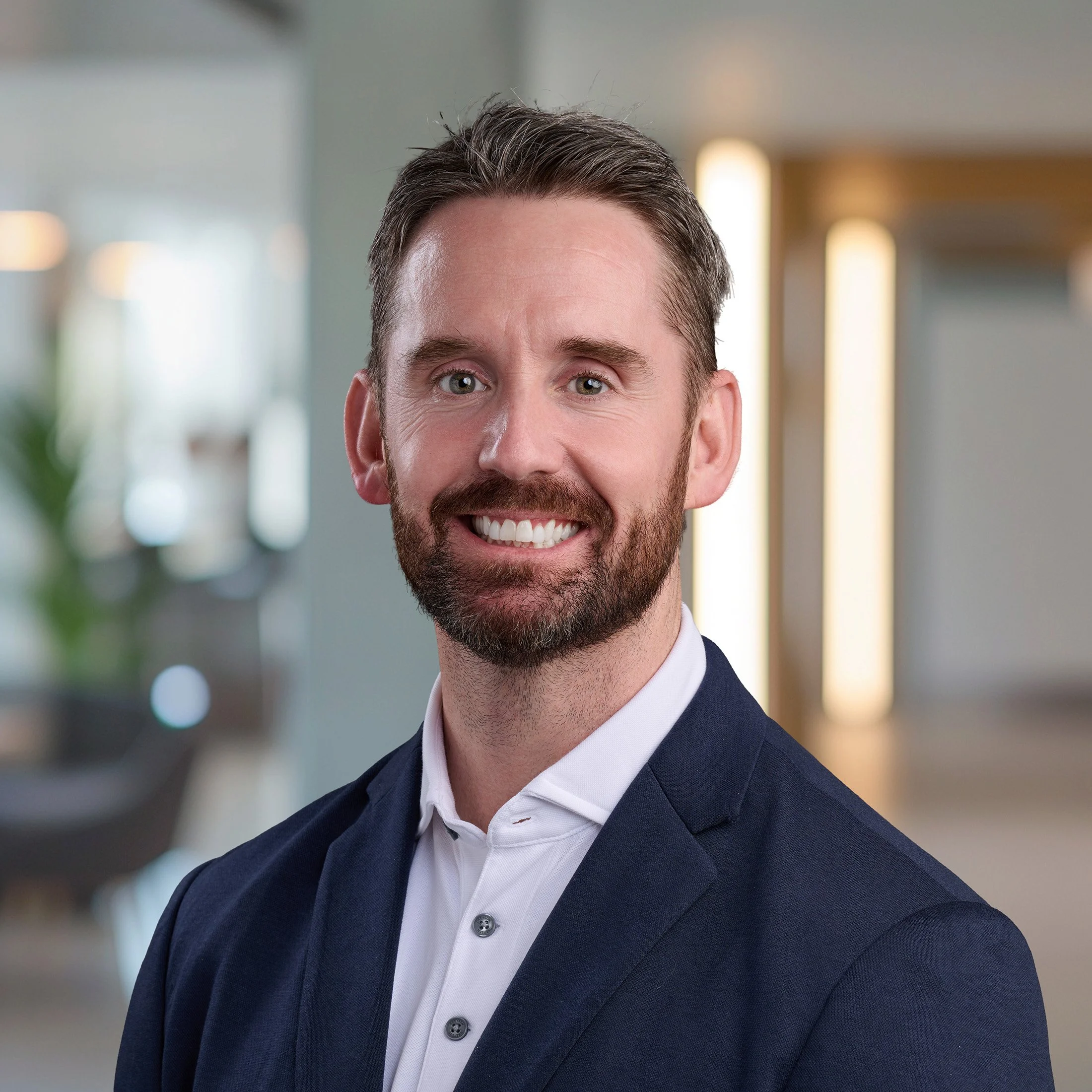
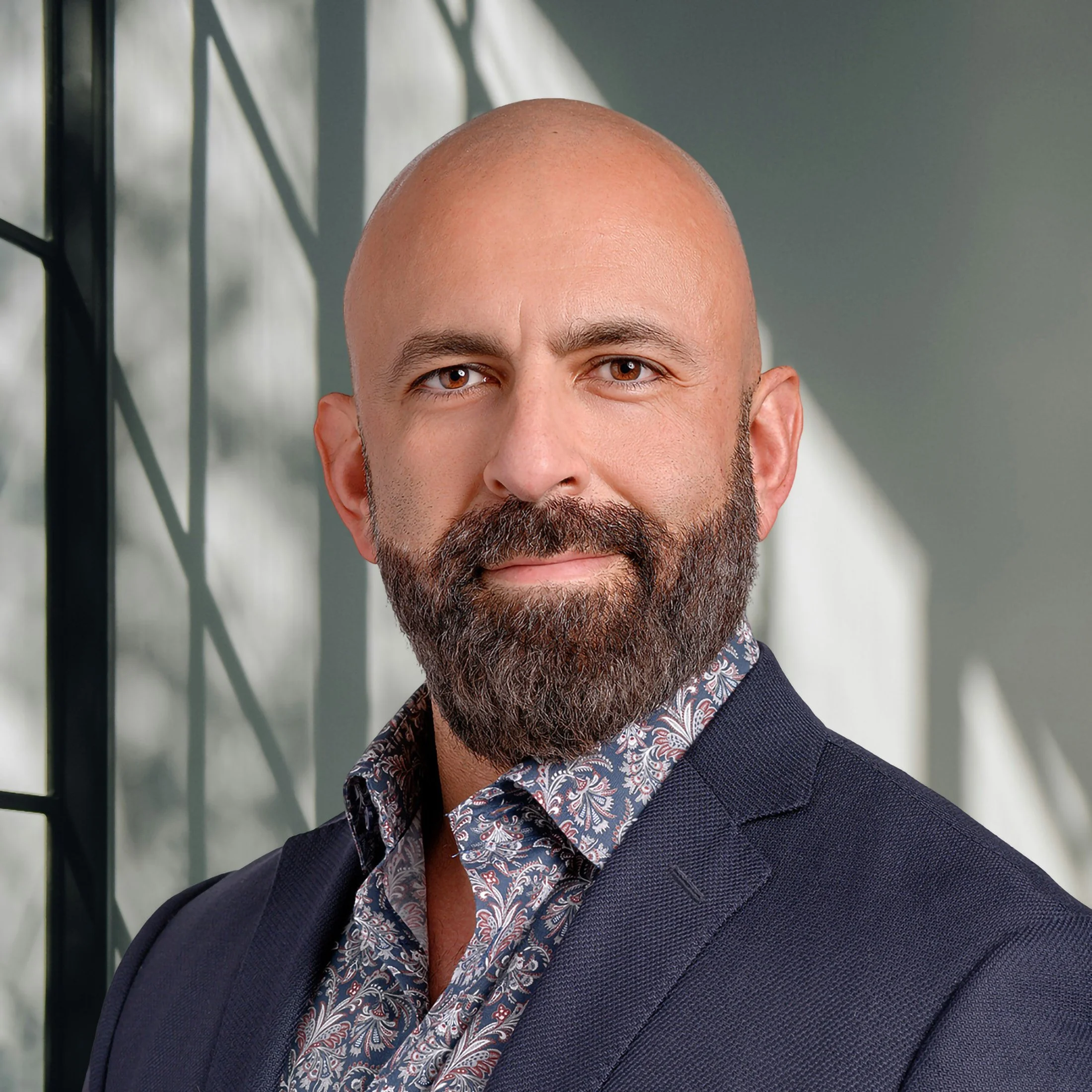
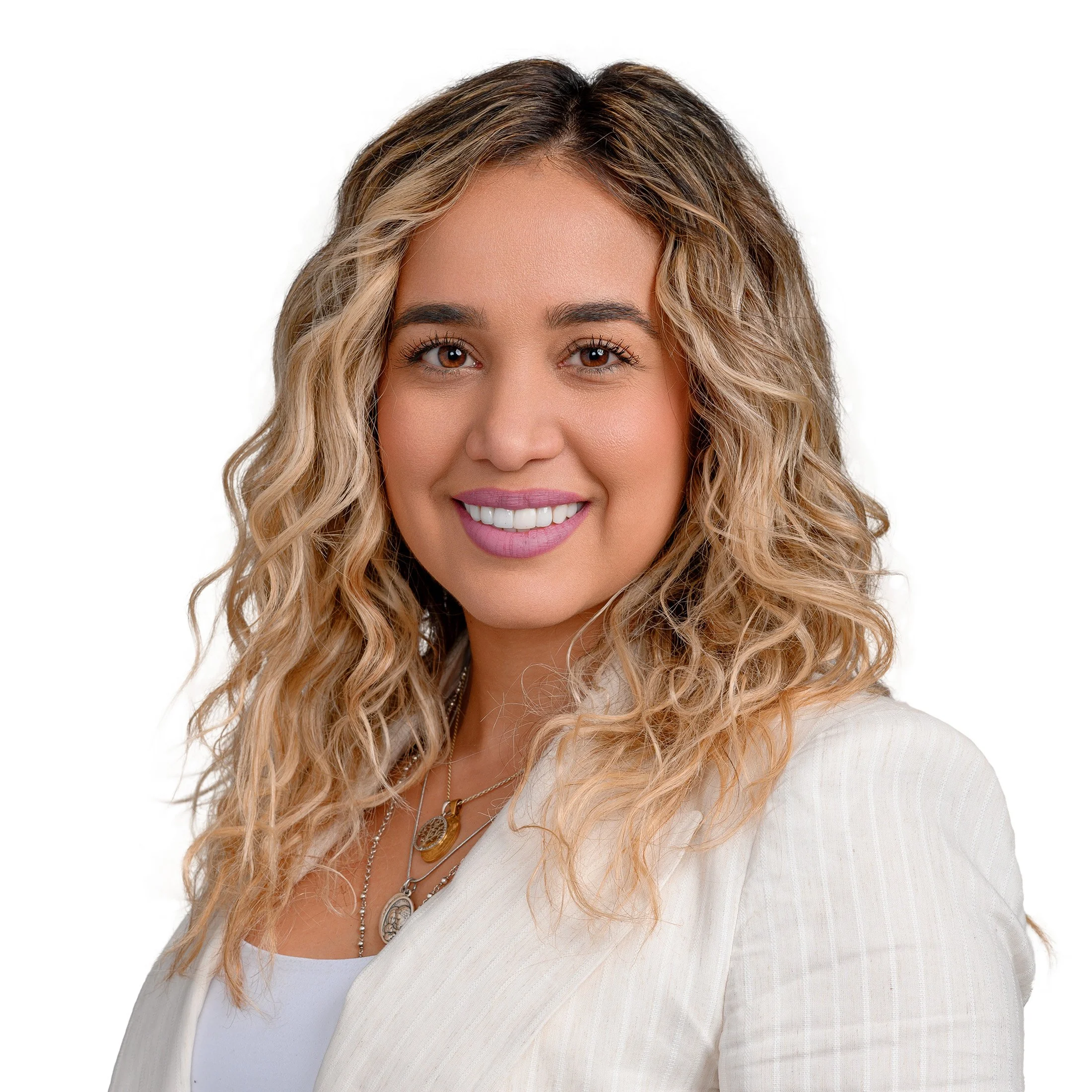
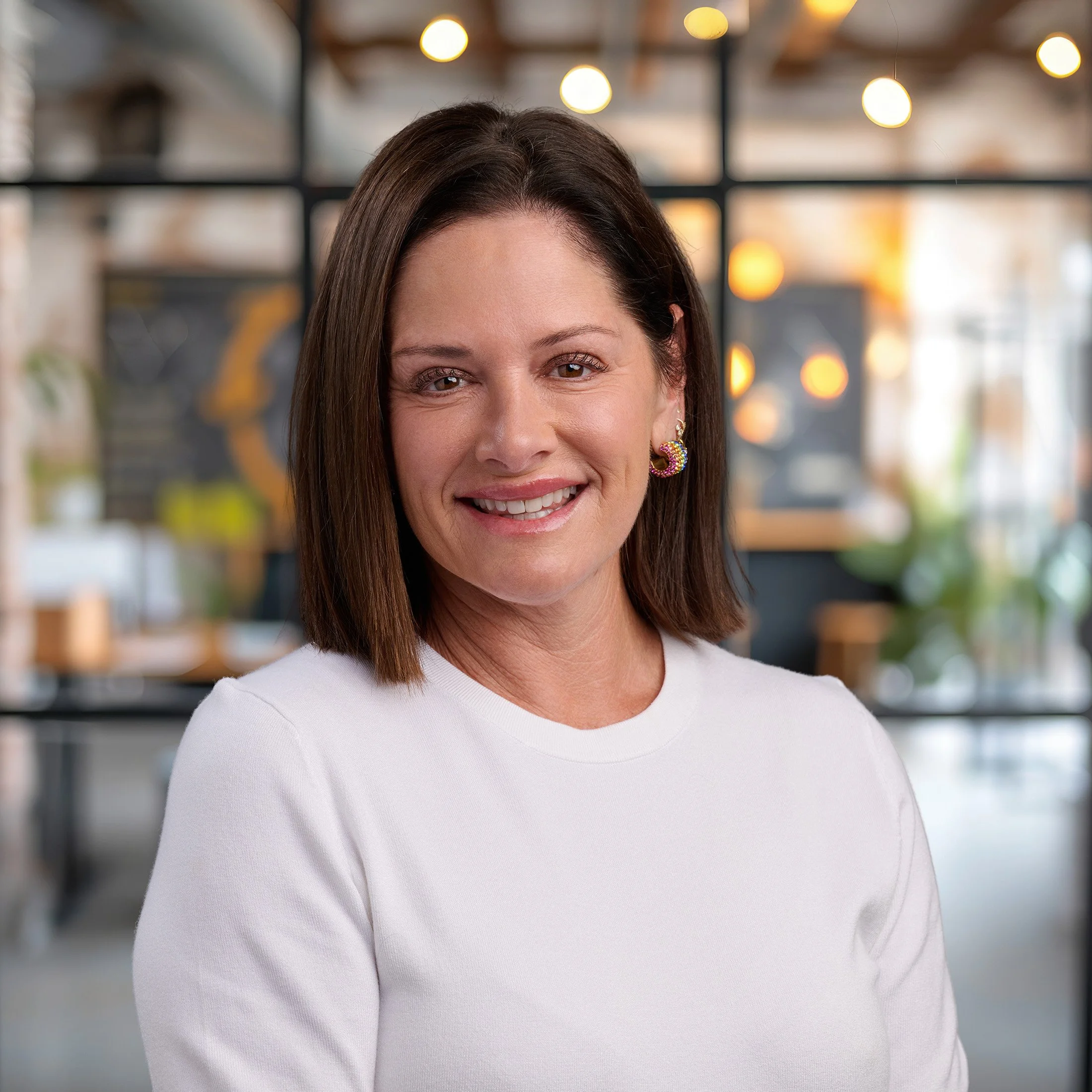
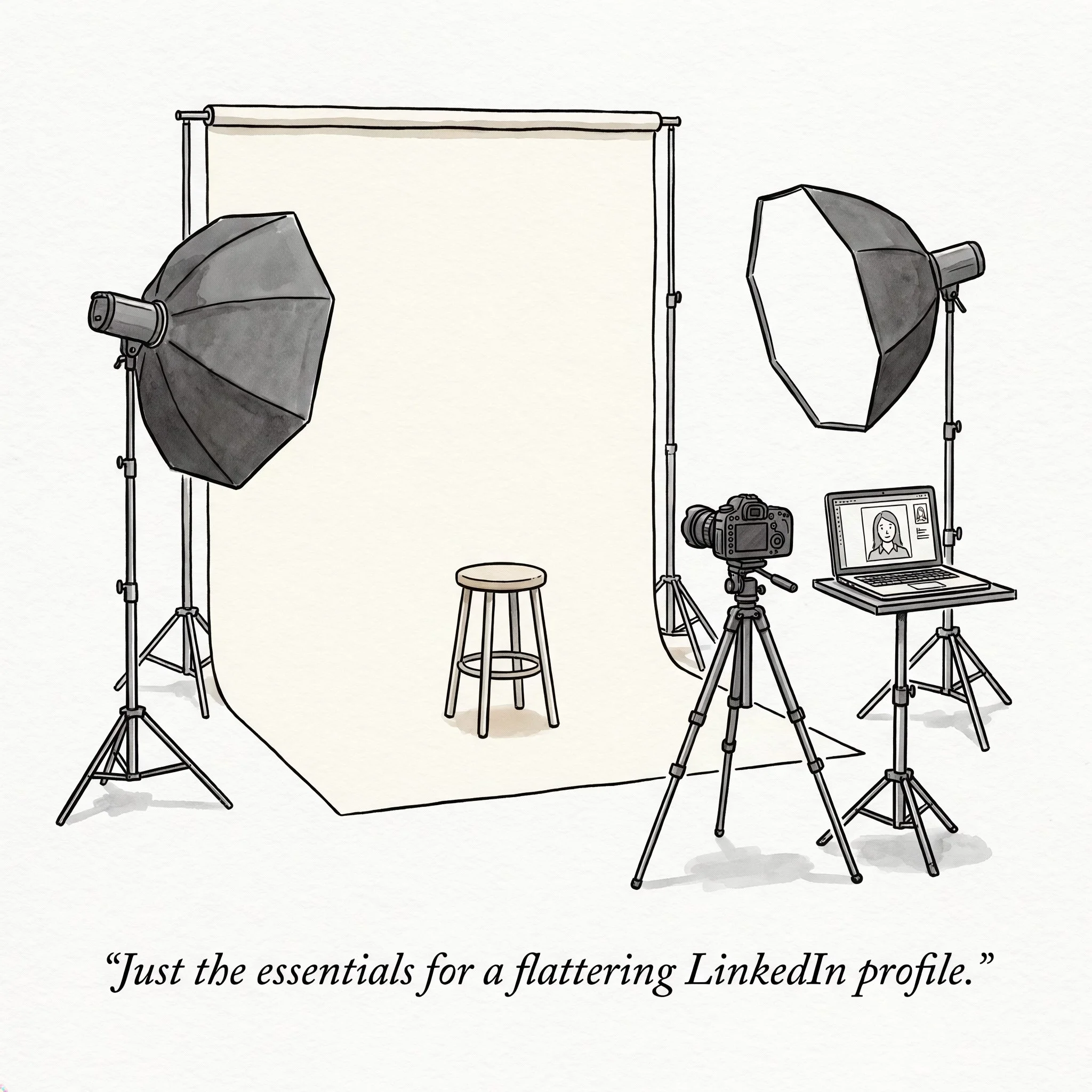
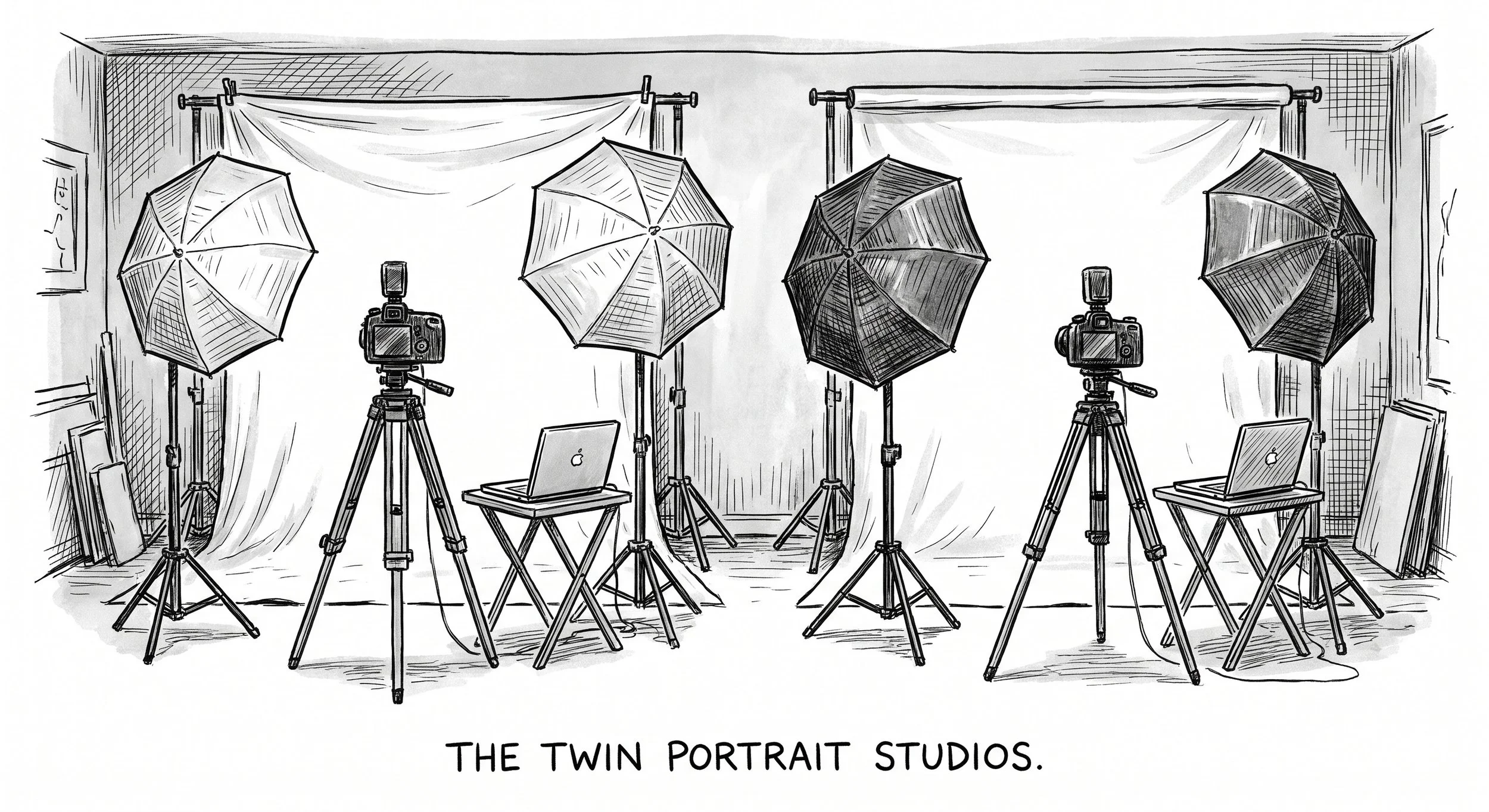
My stations are built the other way around. Profoto and Elinchrom studio lighting, Nikon and Canon bodies — the same lighting setup I use for Fortune 500 executive portraits. Every station is run by a trained portrait photographer, not an operator. That photographer does the thing no automated booth can: straightens the collar, drops the shoulder, brings the chin forward, and waits for the expression that makes someone look like themselves on a good day. Every frame is processed through Adobe's imaging pipeline before it leaves the station.
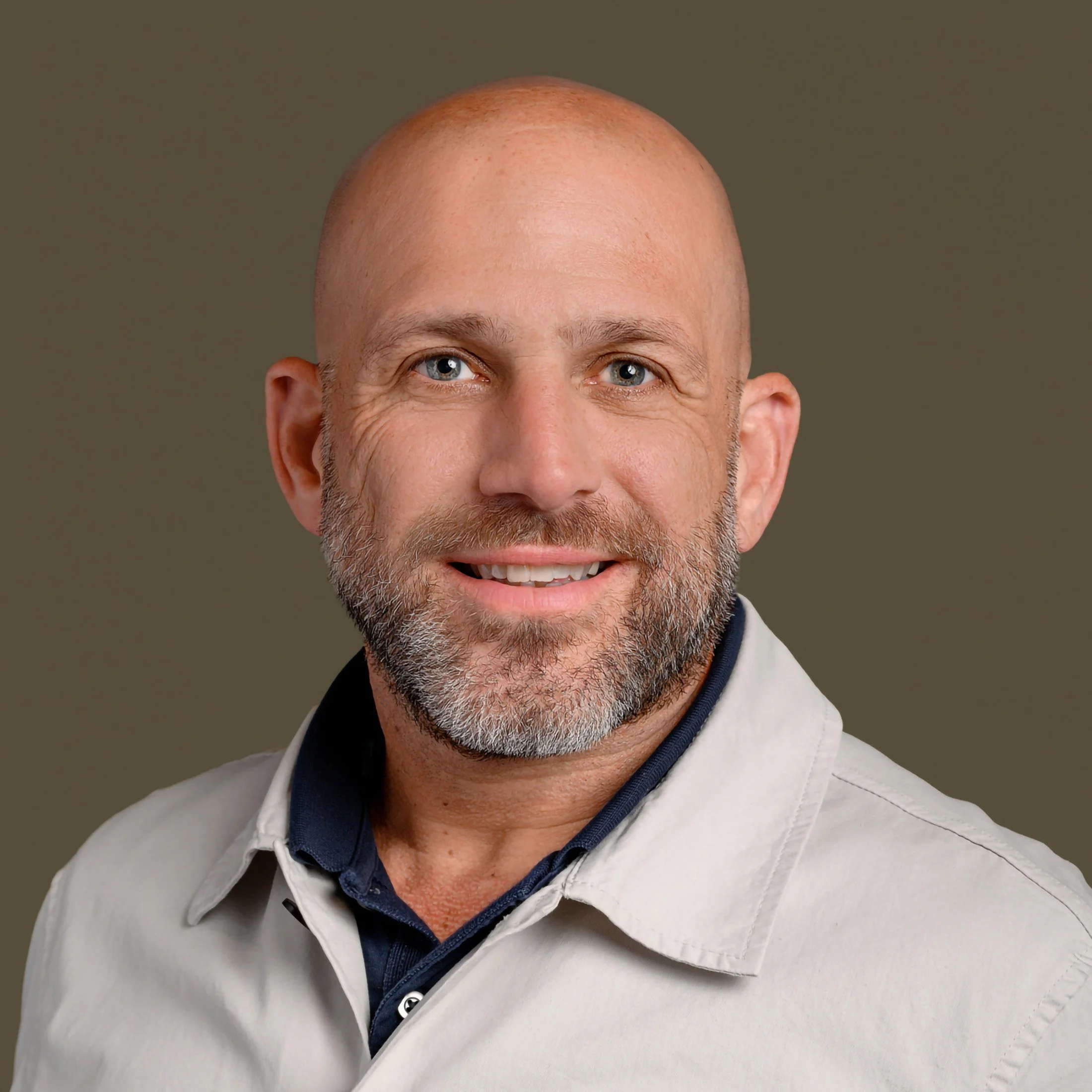
The output matches what I deliver to executive clients. It just happens in about two minutes a person.
What Your Attendees Walk Away With
Nobody waits a week for a gallery link. Each attendee's images are processed and emailed while the event is still running — most people have the file on their phone before the next session starts.
Every image gets standard processing included: blemish and shine reduction, stray hair cleanup, colour and exposure correction. Attendees who want more — background swaps, deeper skin work, scar removal — can order full retouching à la carte from their own gallery afterward. That's between them and me. It doesn't come back to your budget.
Where a Headshot Station Earns Its Budget
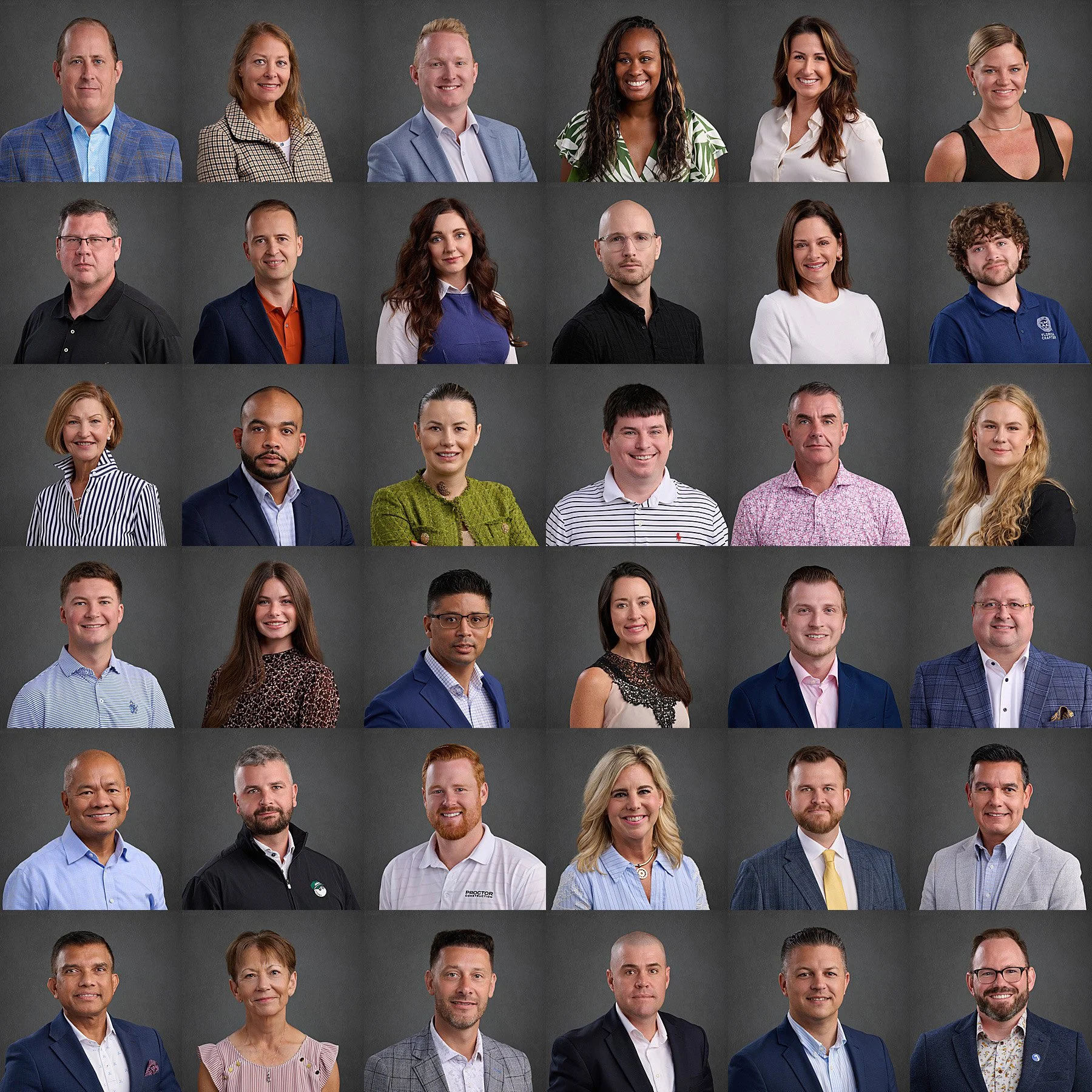
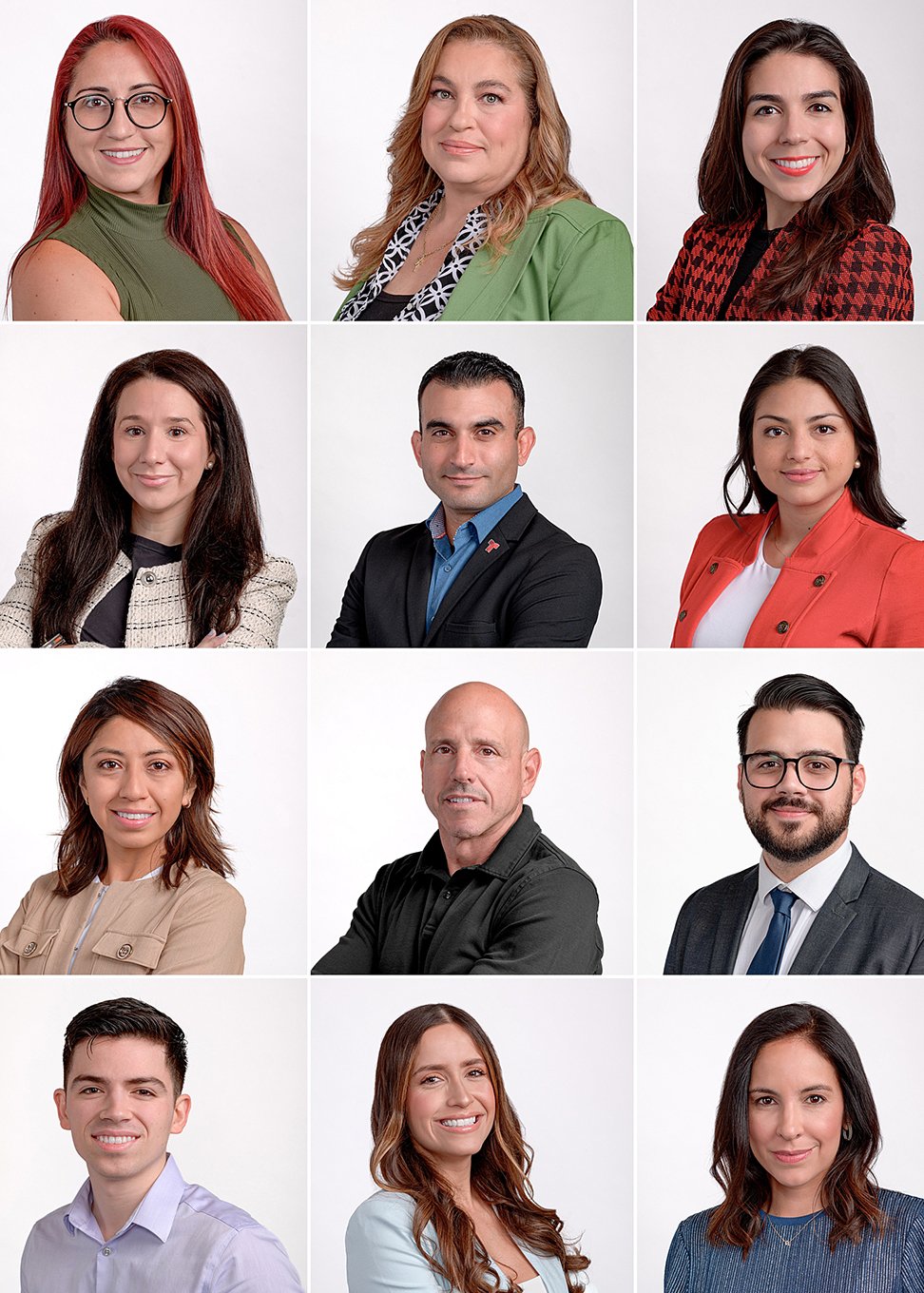
The station works for three fairly different reasons depending on what kind of event you're running.
Look at your own leadership page. Odds are it's photos from four different years, shot in four different styles, at four different crop ratios, and one of them is visibly a cropped wedding photo. One afternoon fixes that permanently — and every one of those people updates LinkedIn the same week, which means your company's presence in the feed suddenly looks like it was built on purpose.
The cost argument is straightforward. Booking individual sessions for 200 staff is not a line item anyone approves. Per person at a station, it's a fraction of that.
And it's popular in a way that's hard to overstate. A free professional headshot is consistently the thing people talk about on the drive home. That's not nothing when you're trying to justify the offsite.
Internal events, all-hands and offsites
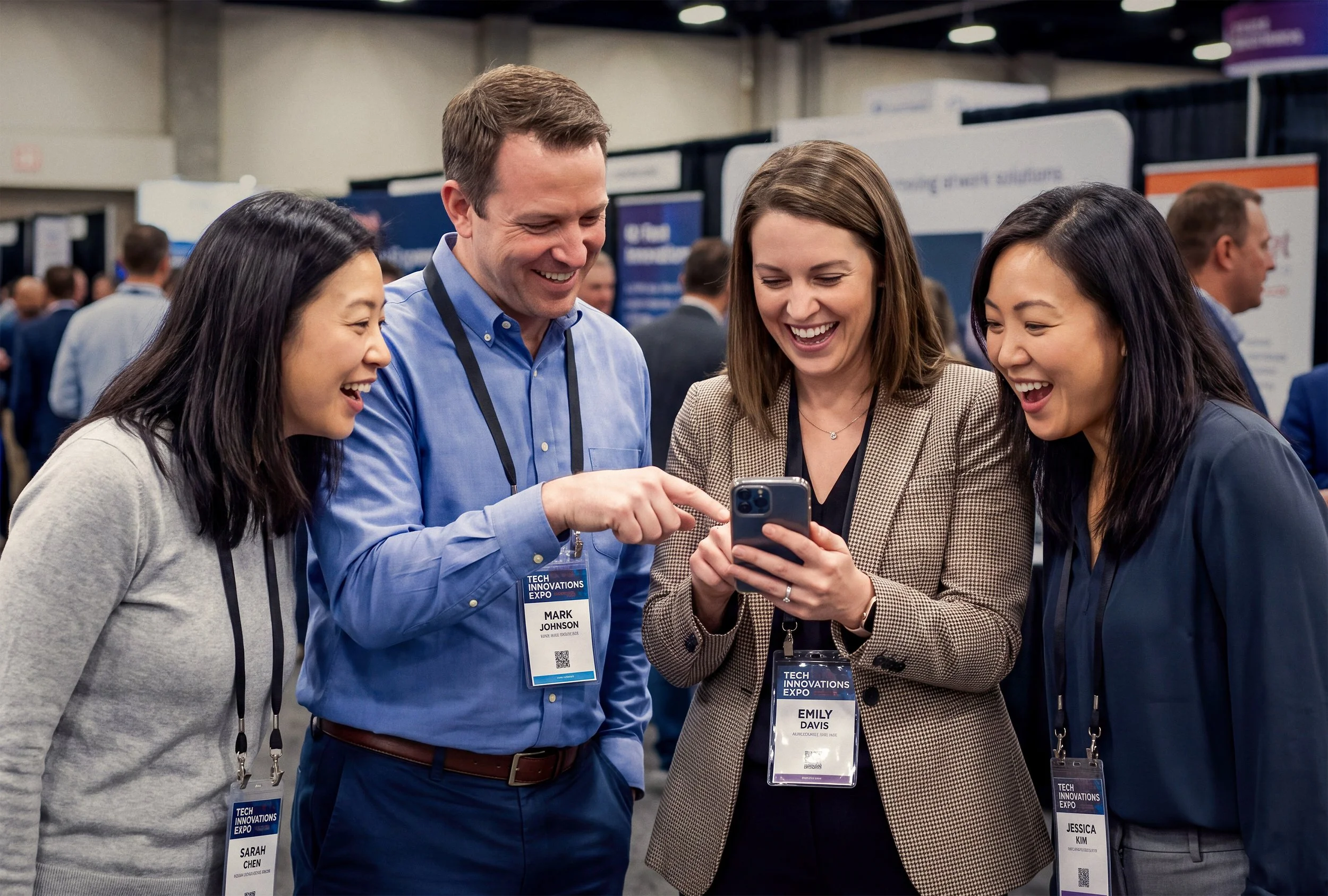
Most attendee experiences are consumed on-site and forgotten. This one goes home with them and gets used. That utility is why the station is routinely the longest queue on the floor at the events I work.
On a cost-per-attendee basis against your other experiential spend, it's usually the cheapest thing on the list and the one with the longest tail.
Conferences and association meetings
If you're an exhibitor, the station solves the hardest problem on a trade show floor: getting people to stop, and getting them to stay stopped. An attendee at a headshot station is standing in your booth for several minutes, in a good mood, receiving something valuable, with your name on the experience. That's a materially better opening than a badge scan and a tote bag.
Trade shows and exhibitor booths
Make It a Sponsorship Asset
This is the part most planners don't realise they're sitting on. A headshot station is one of the easiest sponsorships to sell, because it's one of the few where the sponsor's investment keeps paying out after the event ends.
What can carry sponsor branding:
The sign-up kiosk and mobile sign-up screen — logo plus a "Sponsored by" line
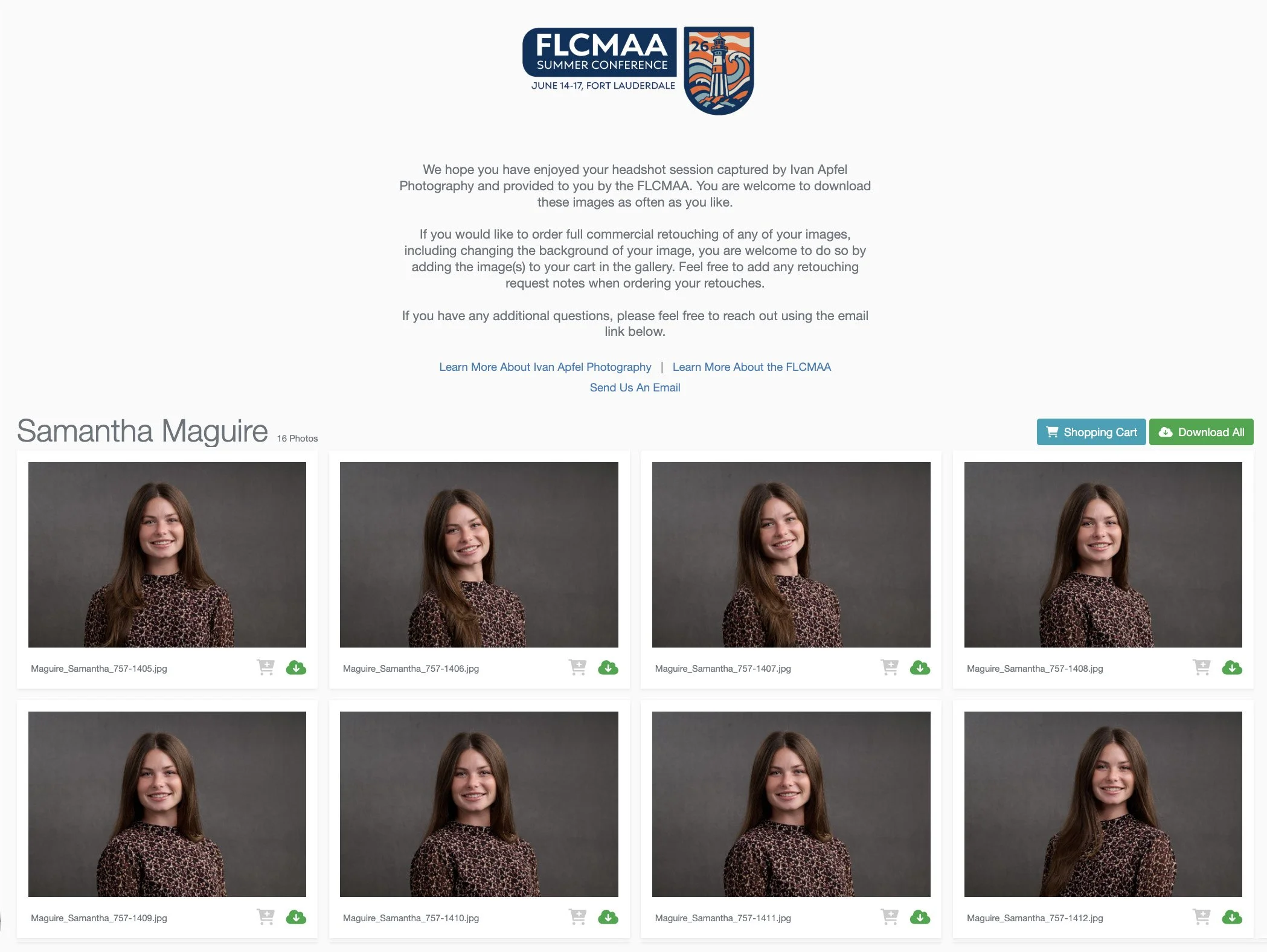
The delivery gallery and the delivery email — the sponsor's name is in the inbox alongside a photo the attendee is pleased with
Signage at the station itself — custom-built for the event and the sponsor
The backdrop — brand color worked into a custom background
What shouldn't carry branding: the photograph. A logo burned into the corner of a headshot cuts how often that headshot gets used, and usage is the entire point. The reach a sponsor is buying is the image traveling across LinkedIn, company sites, and speaker bios for the next two years. Brand the experience around it, keep the picture clean, and the sponsor gets far more mileage than a watermark would ever have earned them.
Lead capture
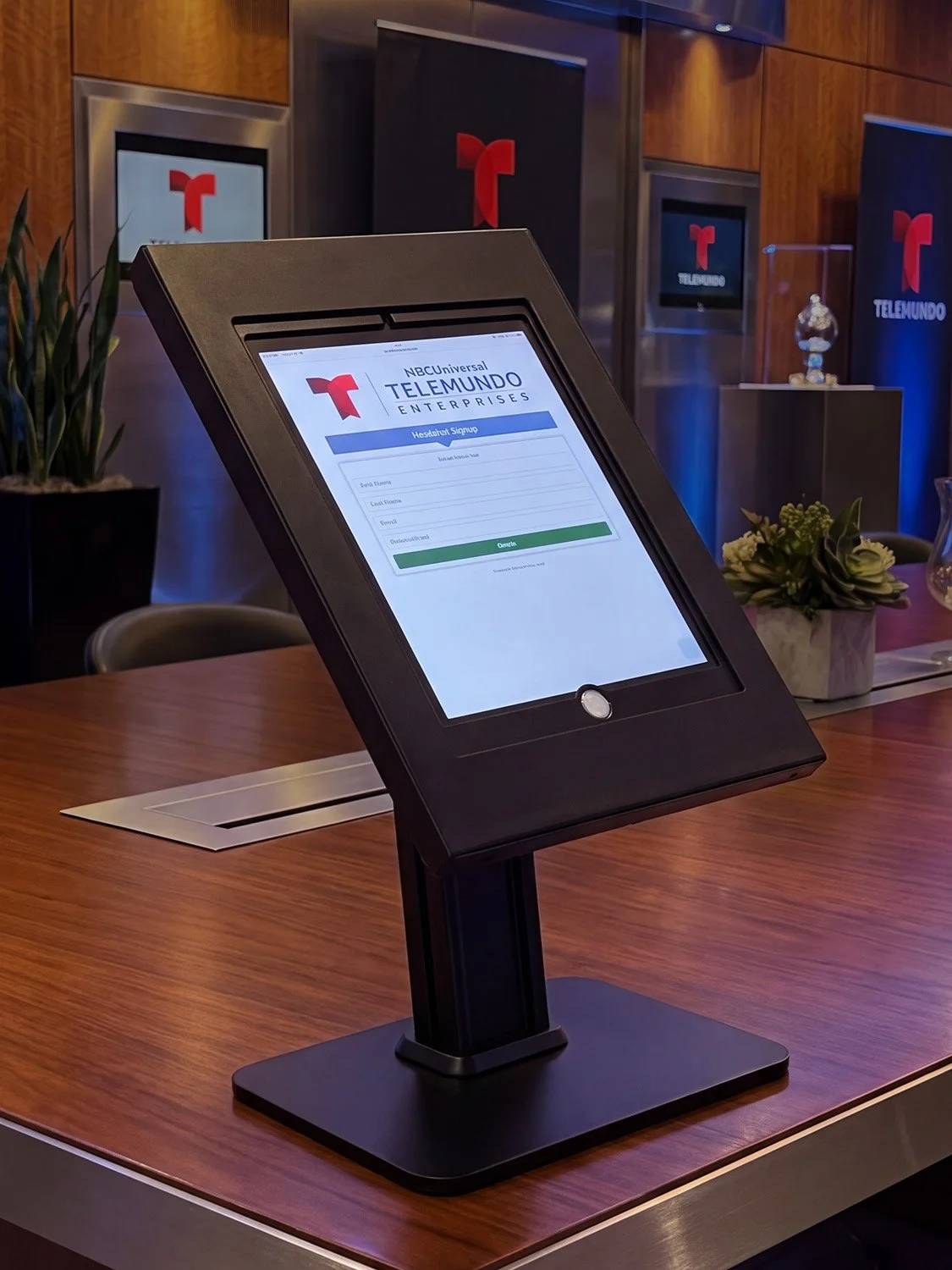
Attendees sign up at the kiosk with their name and email, and opt in to hear from the sponsoring organisation. Roughly 80% opt in — people are agreeable when you've just handed them something they wanted.
After the event, you and the sponsor receive a CSV of the opted-in attendee list. For a trade show or convention sponsor, that's a lead list assembled from people who spent five minutes engaged with the brand rather than dodging it.
How Event Day Runs
Before the event. We lock the footprint, power and schedule window, and I collect any branding assets for the kiosk, gallery and signage. Custom backgrounds and event signage need lead time — see the FAQ.
Load-in. One hour before the station opens. The station needs at least 10×10, but preferably 10×15 feet of floor and one standard 120V outlet.
Sign-up. Attendees register at the kiosk or by QR code — name, email, opt-in. Takes about fifteen seconds and it's what makes delivery instant later.
The shoot. Eight to twelve frames with direction from the photographer. Around two minutes per person, which is fast enough to keep a line moving and slow enough that nobody feels processed.
Selection. There is no need. Attendees will receive all of their images minus any blinks.
Delivery. Their images are processed, and their gallery link is available in their email instantly.
After the event. You and your sponsor get the opted-in lead list as a CSV. Attendees keep gallery access for additional retouching orders.
Station Capacity
Single Station
per Hour
Half-Day
Full-Day
up to 40
up to 160
up to 320
Depending on the event schedule, we are capable of capturing up to the following number of attendees.
Double Station
per Hour
Half-Day
Full-Day
up to 80
up to 320
up to 640
If your headcount runs past what a double station covers in a day, the usual answer is fixed daily hours across a multi-day event rather than more stations — attendees come back when their schedule allows and the queue never gets ugly.
Stations, Add-Ons and Pricing
Deluxe Station
Everything in the Base Station, plus:
Custom event and sponsor-branded signage at the station
Self-service beauty station — mirrors, combs, lint rollers, shine-blotting sheets
One full retouch per attendee, their choice of image
Single Station
Double Station
Add-Ons
Half-Day
$3000
$6000
On-site hair and makeup artist — not full hair and makeup. Flyaways, hair bunching, shine, lip gloss as needed. Half-day $1,000 per station, full day $2,000 per station. Must be booked at least a month out; pricing varies outside Florida.
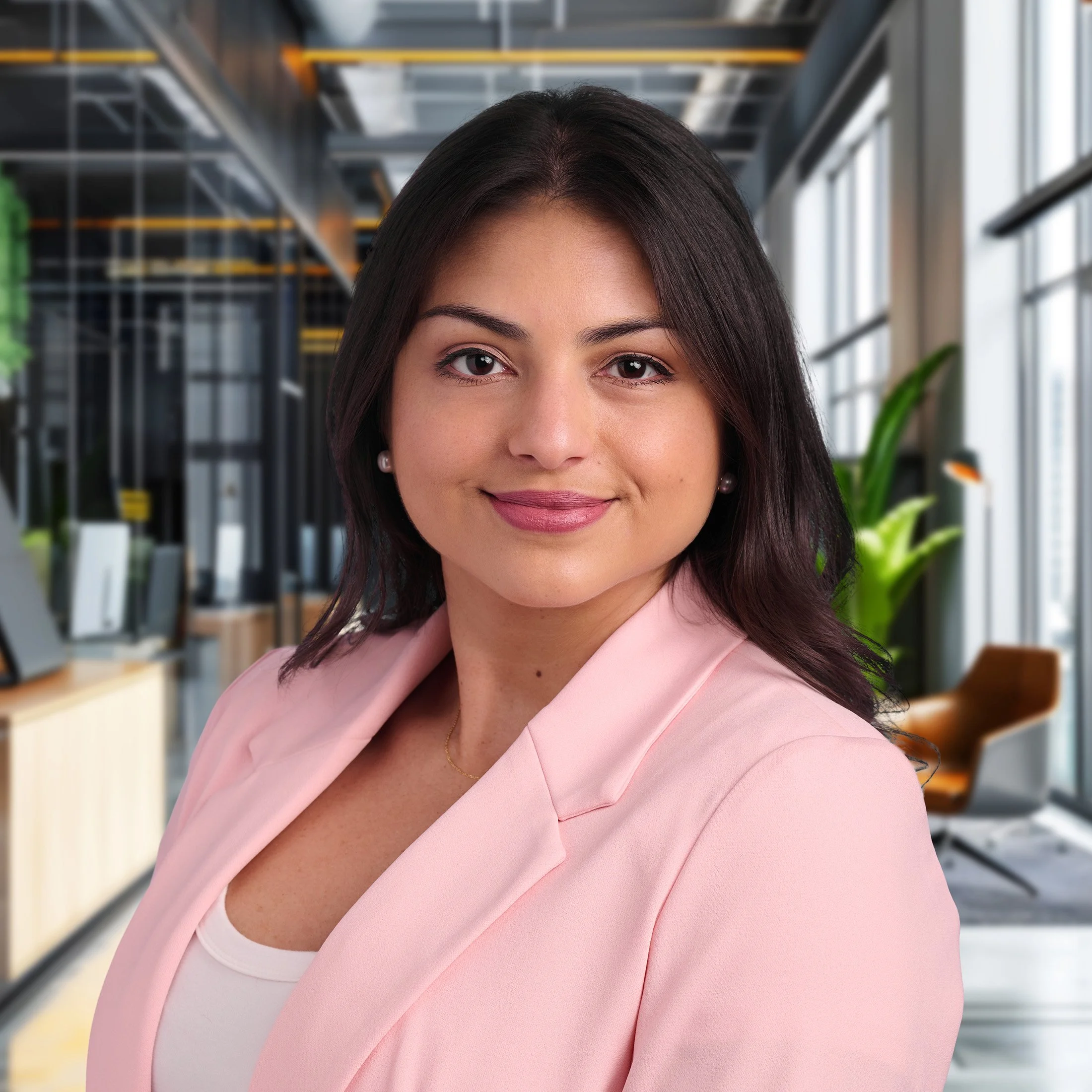
Custom backgrounds — beyond standard grey and white. Brand colours, or a neutral interior look. Applied consistently across every attendee image.
Additional full retouching — ordered by attendees themselves through their gallery at $30 per image. Scar removal, deeper skin work, background changes.
Full-Day
$5500
$11,000
Base Station
Professional headshot photographer · studio lighting · background · sponsor-branded kiosk and mobile sign-up · sponsor-branded delivery gallery · processed images emailed on site · lead capture with CSV delivery
Single Station
Double Station
Half-Day
$1500
$3000
Full-Day
$2750
$5500
Headshot Station FAQ
-
A photo booth is automated and optimised for volume — fixed lighting, a screen for instructions, an attendant keeping the line moving. A headshot station is a portable studio staffed by a portrait photographer who directs each person. The distinction shows up in whether attendees actually use the image afterward.
-
A single station handles up to 40 per hour — around 160 in a half-day, 320 in a full day. A double station doubles both. For larger headcounts, fixed daily hours across a multi-day event usually work better than adding stations.
-
A minimum of 10×10 feet of floor space, but preferably 10×15 feet of floor space and one standard 120V outlet per station. No special rigging; no venue power order.
-
Instantly. The moment they step in front of the camera, we email them their gallery link. And within a minute of finishing, their images appear in their gallery.
-
Yes — kiosk, mobile sign-up, delivery gallery, delivery email, and custom signage at the station. Branding assets should come to me at least two weeks out, and custom-fabricated signage needs longer.
-
Yes. Attendees opt in at sign-up, roughly 80% do, and you and your sponsor receive a CSV afterward.
-
Yes, as a custom background applied consistently across every attendee image. I'd steer you away from putting a logo on the photograph itself — it measurably reduces how often people use the image, which undercuts the point of the sponsorship.
-
Yes, and it's usually the better arrangement. I cover keynotes, sessions, receptions and awards, and can run the headshot station alongside that — one vendor, one contract, one point of contact. See event coverage →
-
Yes. Miami, Fort Lauderdale, the Palm Beaches and Orlando are home turf; I travel domestically and internationally for events.
-
Peak season in South Florida is October through May and it goes early. October through March Dates often book up to six months in advance. Custom signage and on-site hair and makeup both need at least a month. If you have a date, send it now even if the details are unsettled.
Have a Date?
Send me the event date, venue, expected headcount, and the window you'd want the station open. I'll come back with a capacity plan and a quote.